
Imagine you鈥檙e a paramedic called to the scene of an accident. The victim has been struck by a car but is conscious and speaking a language you don鈥檛 recognize. How do you ask the questions that need to be asked to provide the best care when you can鈥檛 even guess at what鈥檚 being said?
Or you鈥檙e a dispatcher who receives a 911 call from a distressed child, but you can鈥檛 understand the language the child is speaking. Is there a fire? Do they need an ambulance? Time is critical and you don鈥檛 understand what is being said.
Many hospitals and public service agencies offer interpreter services, but to a non-native speaker the difference between Nepali, Hindi, Bengali or Maithili can be impossible to determine, and an interpreter who speaks Bengali may not have any familiarity with the others. Valuable time can be lost, and patient outcomes worsen as a suitable translator is sought.
That is the problem a research team has set out to resolve through the creation of a digital language identification tool for healthcare providers. STREAM鈩� (patent pending), or Smart Translation Enabling and Aiding Multi-cultural populations, is a prototype computer model based on four distinct types of artificial intelligence algorithms. With the initial goal of identifying if a spoken language is Nepali or non-Nepali the team plans to expand STREAM鈥檚 language base as the AI algorithm improves through use and training.

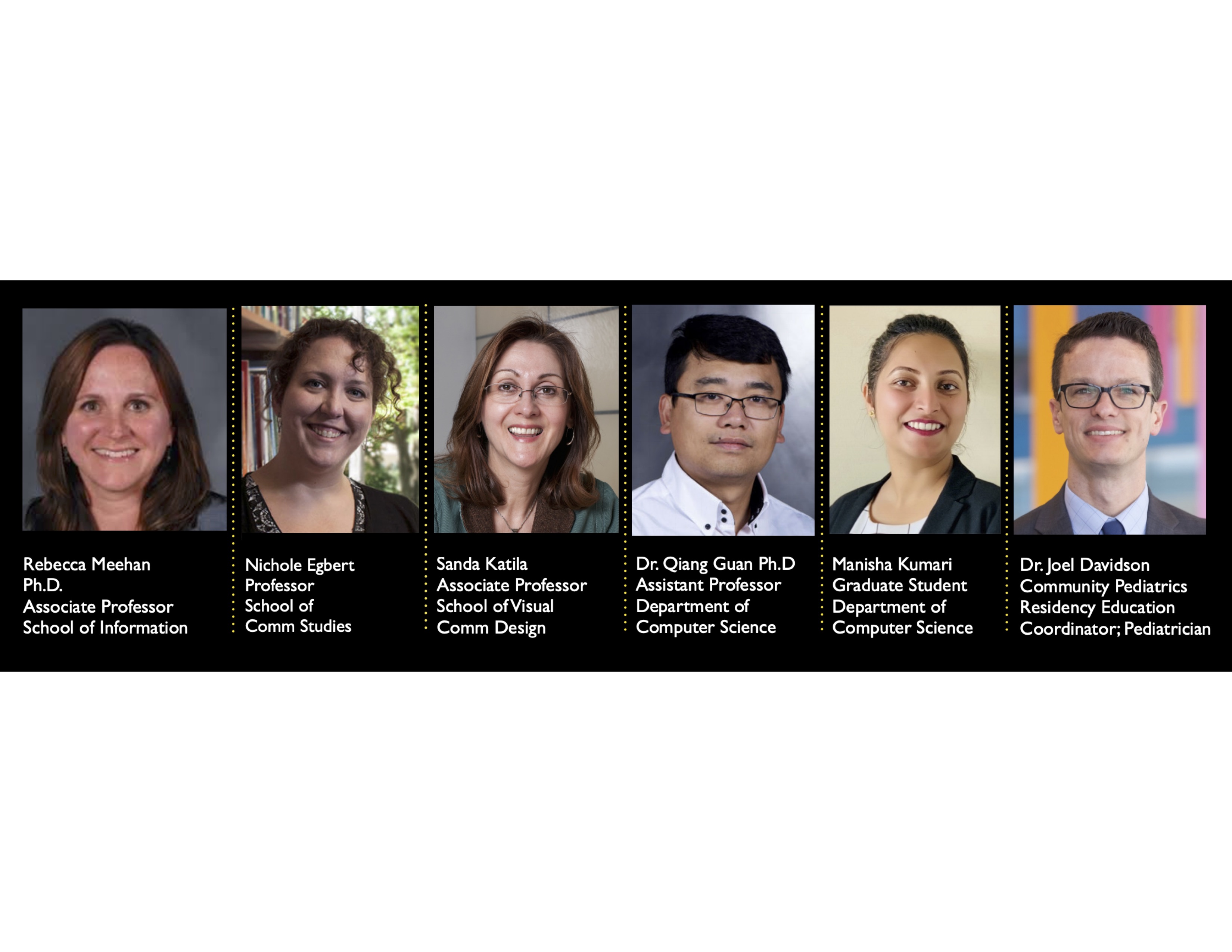
The interdisciplinary team is made up of CCI professors Nichole Egbert, Sanda Katila and Rebecca Meehan and Computer Science professor Qiang Guan, as well as alumna Manisha Kumari and Dr. Joel Davidson of Akron Children鈥檚 Hospital. They are working with the Bhutanese and Nepali community in Akron to ease this community鈥檚 transition to medical services.
In Summit County, Ohio, large public agencies currently spend a combined $865,000 on translation services annually (Summit County Public Health, 2016). Increased efficiencies in identifying the language patients speak will most importantly improve health outcomes through better communication, but it will also reduce costs associated with resourcing correct translators.
And the results are encouraging. In initial prototype testing, STREAM was able to predict the correct language better than chance. As the AI continues to learn through use and a greater volume of spoken language samples, it will gain in accuracy. Continued development by this team will include contextual modalities (phone and in-person), additional languages and dialects and situational settings to improve STREAM鈥檚 abilities. Future research will also examine the tool鈥檚 influence on reduced wait time for patients, reduced costs for health care systems and improvements in user satisfaction on both sides.